The method under every training and session
The Model: how Innate Path does the work
This is a somatic model of psychotherapy paired with psycholytic doses of medicine. We operate from the tenet that the body holds our unconscious material: emotions, belief systems, implicit and explicit memory, and unprocessed charge from difficult or traumatic events.
What does the medicine do?
The medicines help soften defenses so we can go toward the charge still held in the body. They take the edge off, add a layer of support that allows us to feel these difficult places, and allow whatever needs to be processed to come up.
Why active therapy during the medicine session?
While the medicine helps open doors, actively engaging in a therapeutic model helps the client walk through those doors and access depths of healing that might be missed without this engagement.
Why work with the body?
Many people use psychedelics to help talk therapy reach a deeper level. We have seen that trauma is held in the body, and to let go of it, we need to work with the body. Our model is rooted in somatic psychotherapy, and we work directly with the body to help clients release the traumas that have been holding them back.
How do we work with dissociation?
Dissociation often shows up as confusion, dizziness, or fuzziness, experiences that take someone out of the present moment. Most therapists shy away from it and encourage clients to come back to the present.
We recognize that dissociation is a symptom of trauma, and to clear it, we need to go toward it. We work with dissociation instead of grounding people out of it.
What else does the model draw on?
Alongside somatic work, we work with parts, and we work heavily with transference within the therapeutic relationship.
What does a session look like?
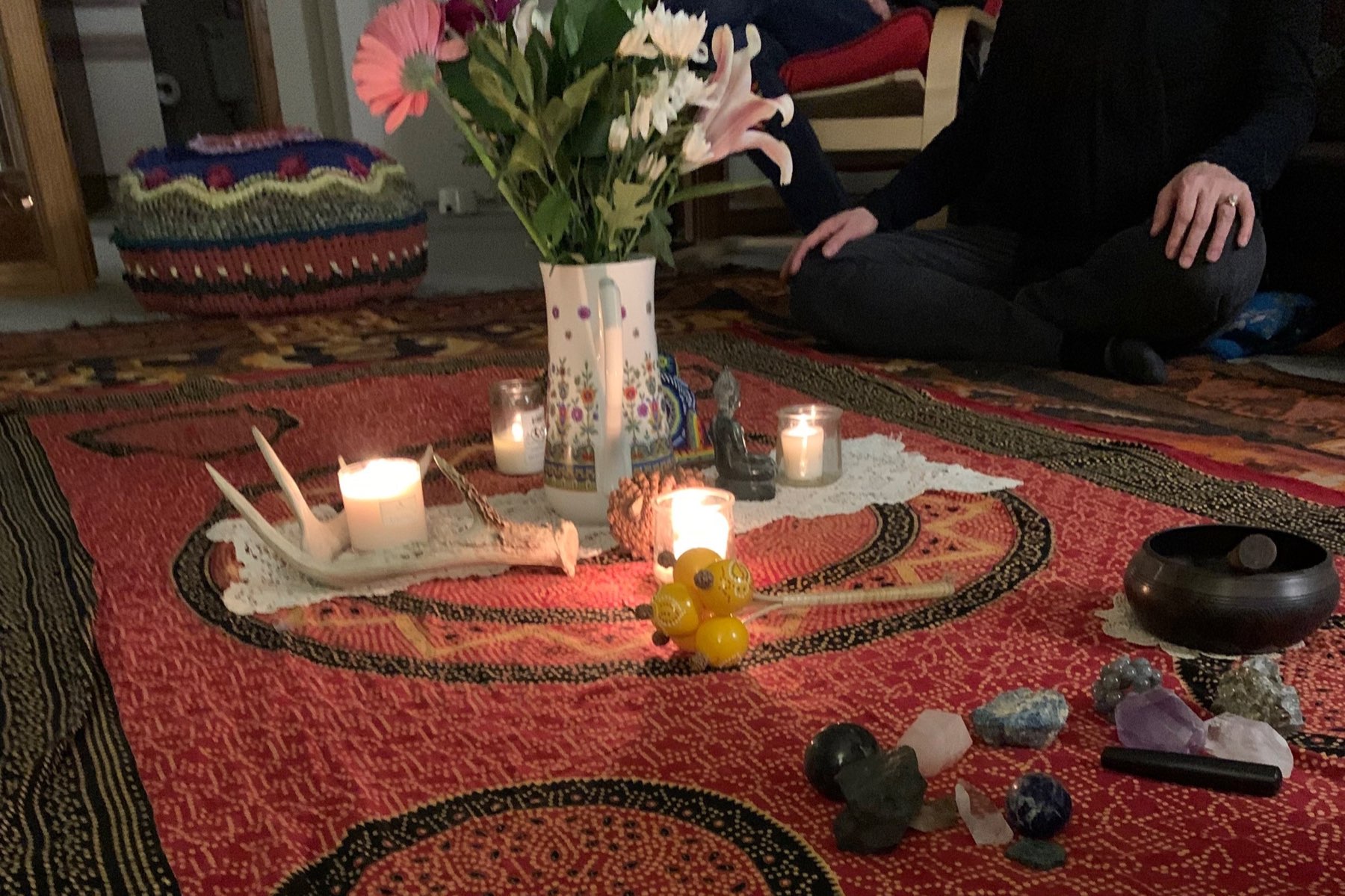
Sessions are highly interactive. Clients lie down with a blindfold on (if that feels comfortable) to stay with their own process, while the therapist stays in close communication.
- Asking about their experience
- Drawing out emotions
- Helping them go to difficult places
- Offering support so they can go deeper
- Encouraging them to look at their shadow
Questions
Frequently asked questions
Does the model apply to other medicines?
Yes. Our model addresses working with the subconscious and the body to resolve the root causes of suffering, and the same principles apply to any medicine that expresses our subconscious minds while accessing the body.
Is this the same as Colorado’s psilocybin facilitator training?
No. The DORA requirements certify facilitators, not therapists. Our purpose is to go deeply into the applications of psychedelics in therapy to resolve complex mental and emotional health issues.
Who is the training for?
We welcome all practitioners and students working in the field of psychedelic healing, as well as adjacent professions.
Do you supply the ketamine or cannabis?
No. We use a self administration model, where each participant obtains a ketamine prescription or purchases their own cannabis.
Is the training in person?
Level One is entirely in person. Level Two is mostly in person, with weekly supervision meetings happening virtually.
More answers on our FAQs page, or contact us.
Learn the model from the inside
Trainees experience the model as clients first, in sessions held by seasoned instructors.
Learn about the training